Learning at State College Friends School
Learning at SCFS is active, thoughtful, and deeply connected to relationships.
Students build strong academic foundations while investigating questions, applying ideas, revising their work, and reflecting on their growth. Small classes help teachers know students closely and respond thoughtfully to their strengths, interests, and growing edges.
Throughout the experience from Pre-K to eighth-grade, students develop the skills, confidence, compassion, and responsible independence needed for the next stage of learning.
Students make their thinking visible
Students learn not only to complete work, but also to explain their reasoning, respond to feedback, and communicate what they have discovered.
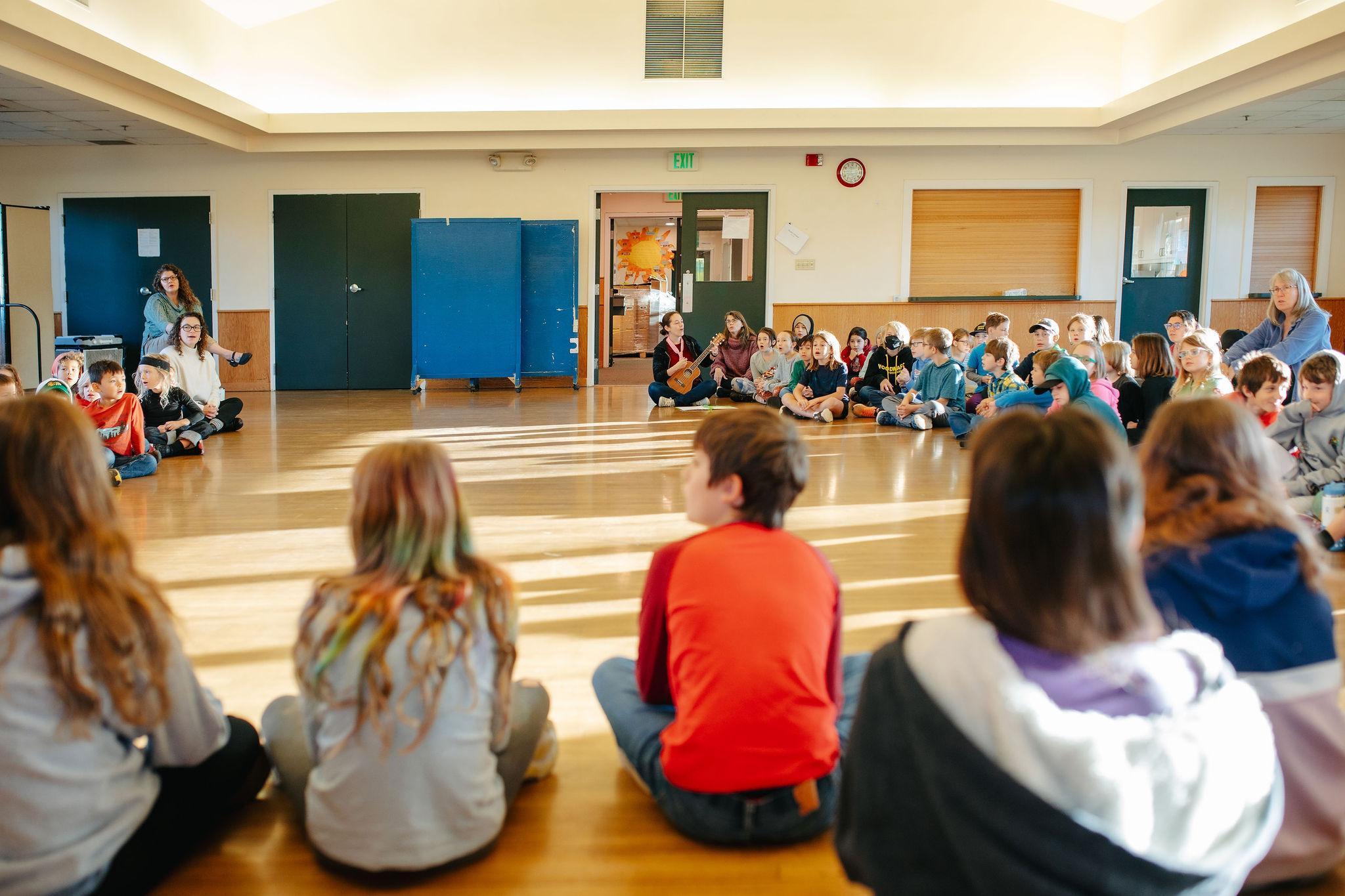
Exhibitions, presentations, discussions, class plays, and demonstrations give students the opportunity to share their questions, process, outcomes, revisions, and reflections with authentic audiences.
Growth becomes visible over time
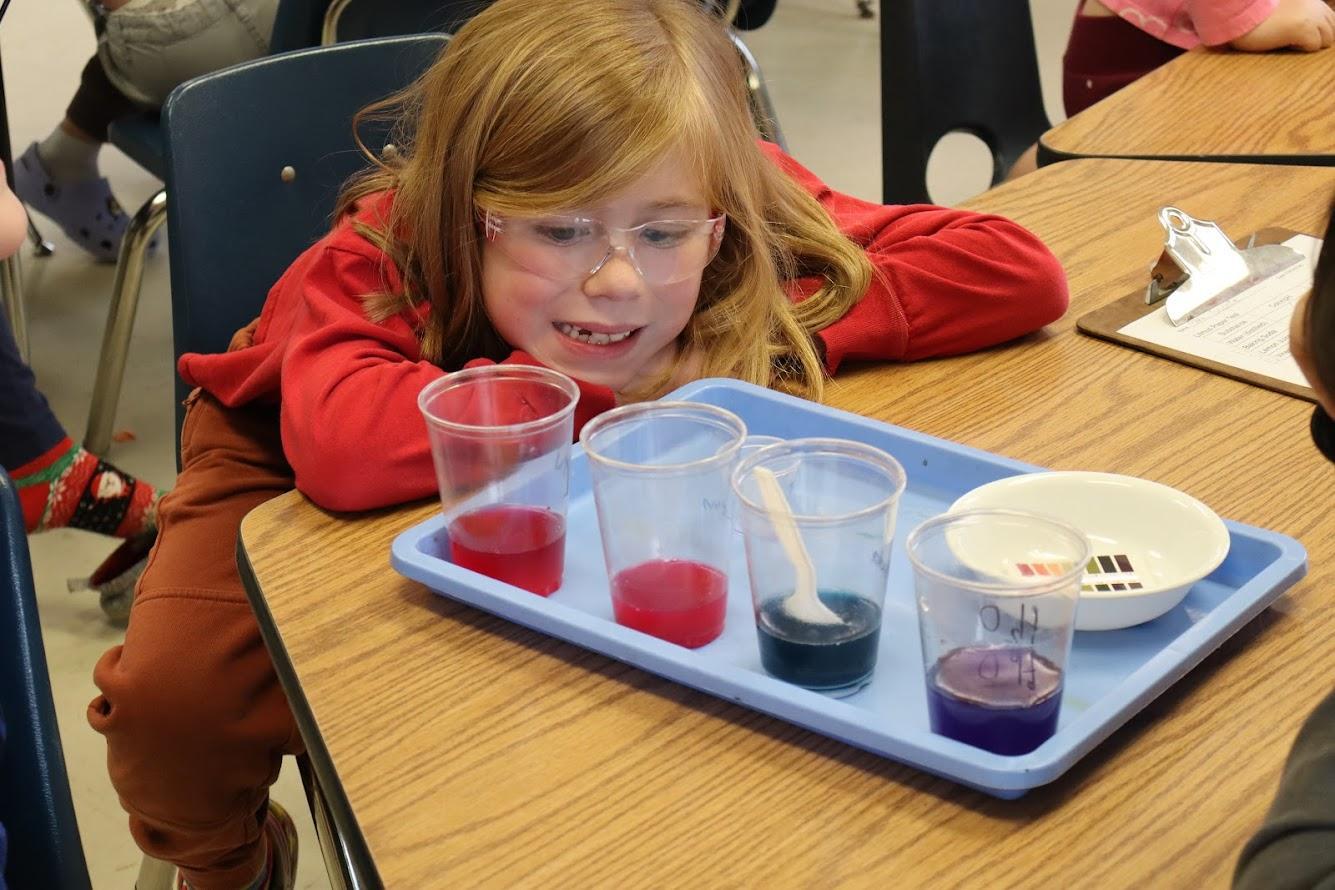
Portfolios can help students, teachers, and families see how learning develops. Drafts, teacher and peer feedback, revisions, reflections, and completed work show both progress and growing independence.
Reflection is part of the learning process. Students are encouraged to identify strengths, recognize growing edges, explain strategies, and consider how they might approach future challenges.
Strong foundations support meaningful inquiry
Literacy, mathematics, science, social studies, the arts, and physical development provide essential foundations for deeper learning.
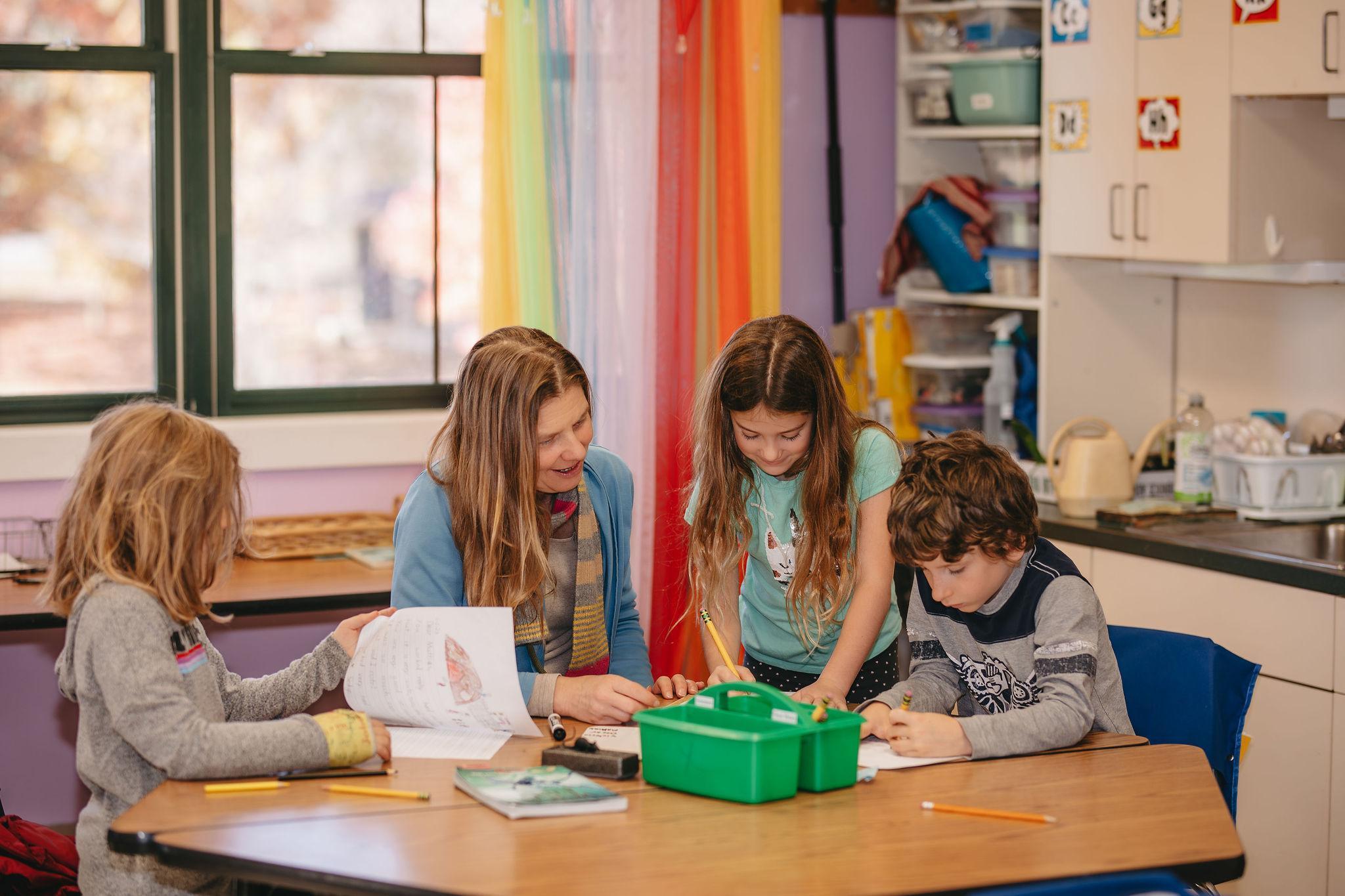
Students also use these skills in hands-on investigations, interdisciplinary projects, field experiences, and authentic applications. The goal is not activity for its own sake, but purposeful learning that connects knowledge, reasoning, creativity, and reflection.
Learning develops across the years
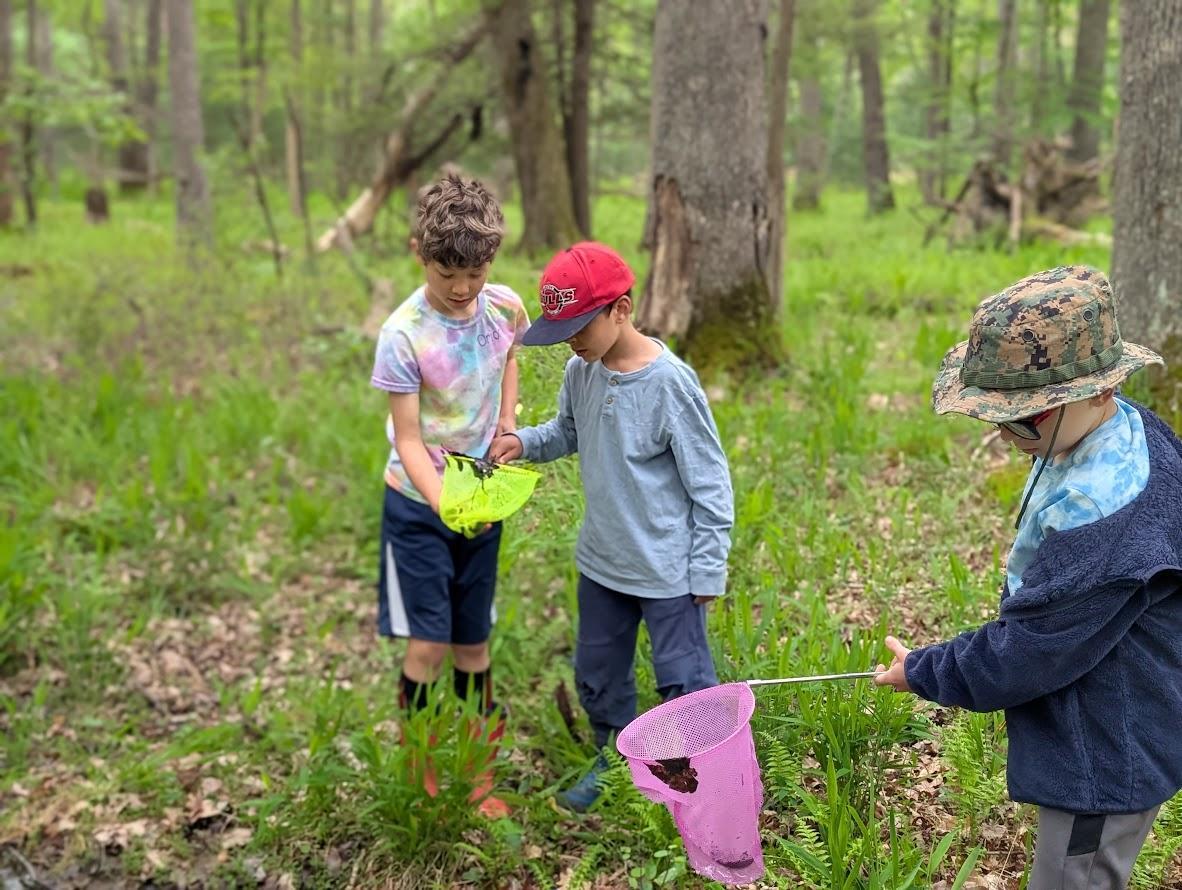
SCFS is documenting a clearer progression from early childhood through middle school.
This work supports smoother transitions, reduces unnecessary gaps and repetition, and helps students and families understand how expectations deepen over time.
Values are lived through daily practice
Quaker values are visible in the ways students listen, reflect, solve problems, care for community, and consider the impact of their actions.
Meeting for Worship, ethical inquiry, community responsibilities, peaceful conflict resolution, stewardship, and thoughtful dialogue help students connect learning with how they live and participate in the world.
Families of all faith traditions and non-theistic worldviews are welcome in the SCFS community.